Kaunihera ā-motu
-
National Council



The National Council acts as the governing body of LGNZ. Its role is to set and guide policies for LGNZ and ensure they are being achieved.
National Council members are elected from council/kaunihera member groups:
- the seven geographical zones
- the four sectors, metro, rural, regional and provincial
- Te Maruata and Young Elected Members sub-committees.
For the three-year electoral cycle that commenced following the 2025 Local Government Elections, membership of the National Council is as follows:
-
Mayor Rehette Stoltz
 LGNZ President
 -
Mayor Dan Gordon
 LGNZ Vice President and Zone 5 representative
 -
Mayor Ken Couper
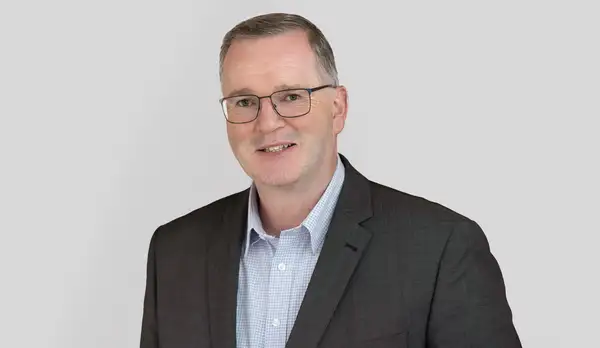 Zone 1 representative
 -
Mayor Toby Adams
 Zone 2 representative
 -
Mayor Craig Little
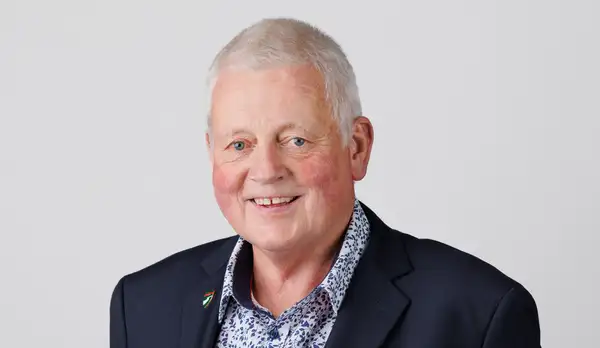 Zone 3 representative
 -
Mayor Fran Wilde
 Zone 4 representative
 -
Mayor Tamah Alley
 Zone 6 representative
 -
Mayor Grant Smith
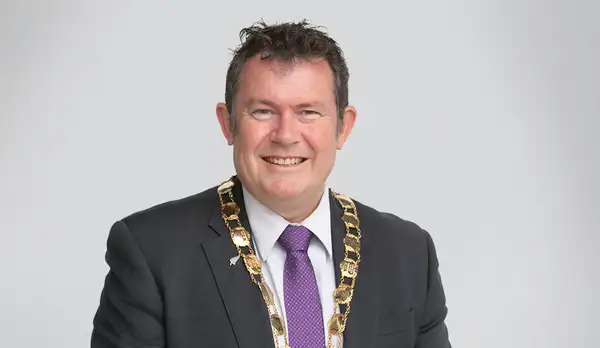 Metro sector representative
 -
Mayor Mahé Drysdale
 Metro sector representative
 -
Mayor Sophie Barker
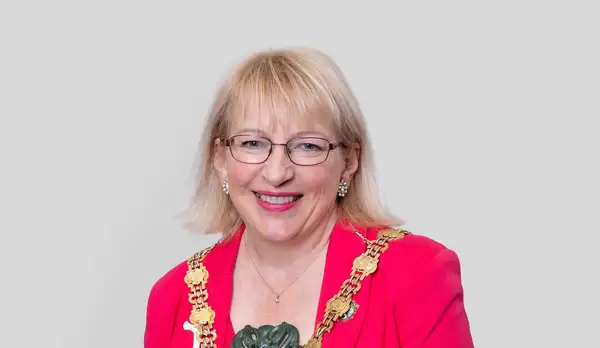 Metro sector representative
 -
Deputy Chair Bonita Bigham
 Regional sector representative
 -
Chair Deon Swiggs
 Regional sector representative
 -
Chair Daran Ponter
 Regional sector representative
 -
Mayor Faylene Tunui
 Rural sector representative
 -
Mayor Tania Tapsell
 Provincial sector representative
 -
Councillor Dinnie Moeahu
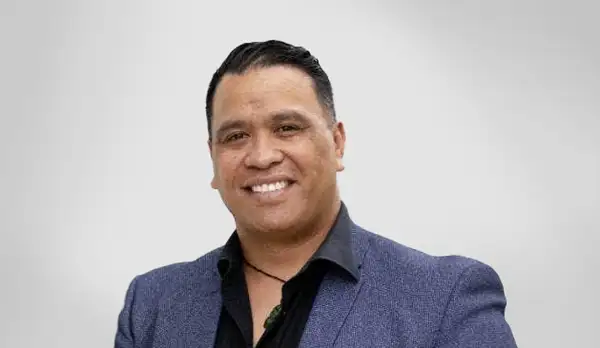 Te Maruata Co-Chair
 -
Deputy Mayor Aubrey Ria
 Te Maruata Co-Chair
 -
Councillor Alex Crackett
 Young Elected Member Chair
Audit and Risk Committee
Membership of our audit and risk committee (a committee of National Council) is to be confirmed.
Significance and engagement policy
Purpose of this policy
This policy sets out LGNZ’s general approach to engaging with members. It also specifies what a significant decision is, and places requirements on National Council when preparing to make these.
Engagement with members
National Council is elected by the membership of LGNZ. LGNZ’s Rules in turn empower National Council to make governance decisions. This includes setting strategic direction, which empowers staff to undertake their work.
Feedback from members informs both decision-making by National Council and operational work by staff.
The type and extent of engagement will reflect the nature of the issue concerned. The greater the impacts, interest of members, and role or influence of LGNZ, the greater the engagement will be undertaken.
Examples of types of engagement
| Inform | Our website | |
|---|---|---|
| Social media | ||
| Emails and newsletters | ||
| Updates at zone and sector meetings | ||
| Consult | Workshops (virtual and in-person) | |
| Circulation of draft submissions or discussion papers for feedback and input | ||
| Discussions at zone and sector meetings | ||
| Working groups | ||
| Involve | Use of participative democracy mechanisms | |
| Remits at Conference | ||
| Constitutional amendments | ||
| Polling of membership |
Engaging on significant decisions
Significant decisions are decisions with specific characteristics, including:
Entering into binding agreements with third parties that:
- would have a material or perceived impact on the objects or powers of LGNZ; or
- would restrict LGNZ’s ability to engage with or advocate on political decisions or reform; or
- relate to decisions that would impact on major roles and functions of councils or the nature of local government in New Zealand.
If a decision is significant, then National Council must engage with members before making it.
This engagement would be via either:
- a poll of all member councils; or
- a remit, item of business, or rule change put to an AGM or SGM.
Note: changes to the Rules of LGNZ have an existing prescribed process set out in section K of the Rules.