Westpac move highlights need for central and local government action
17 November 2026
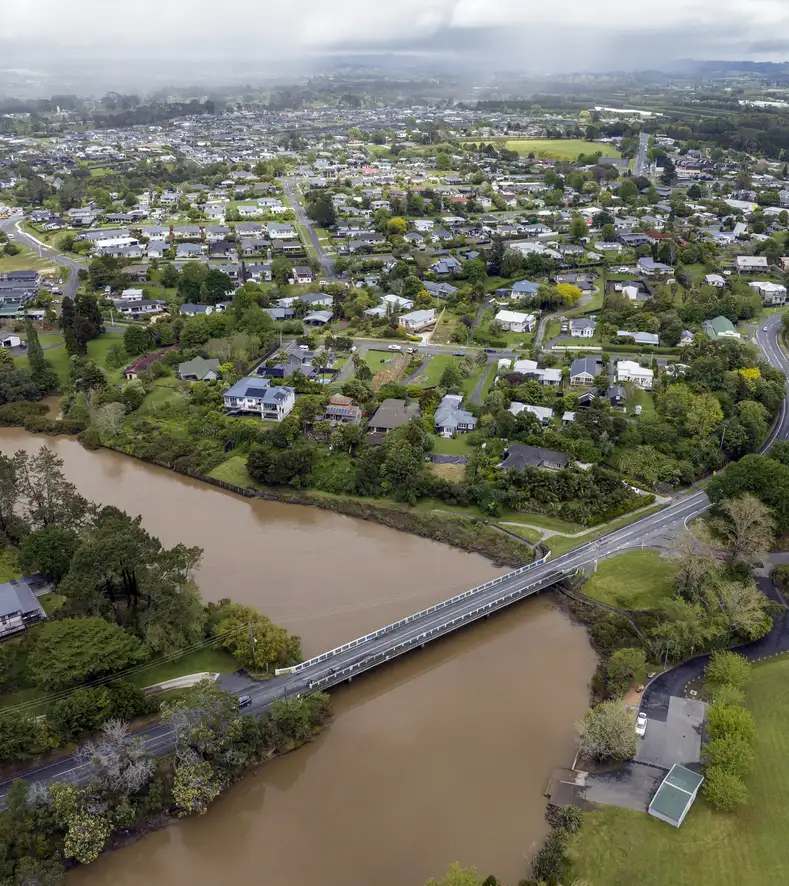
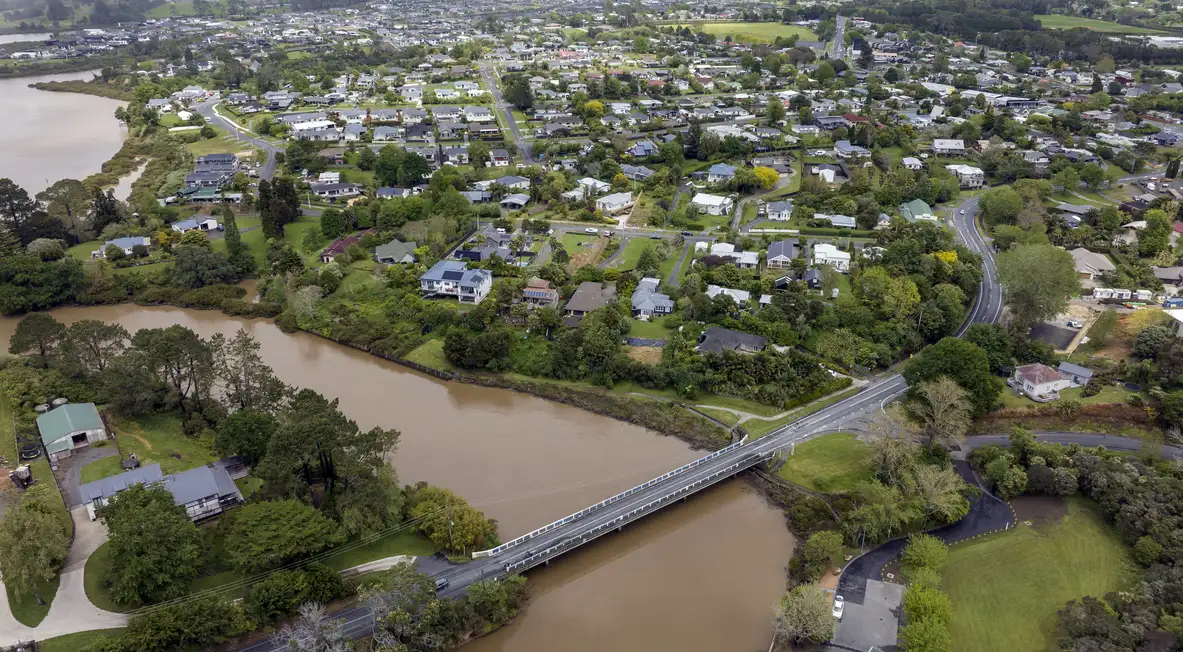
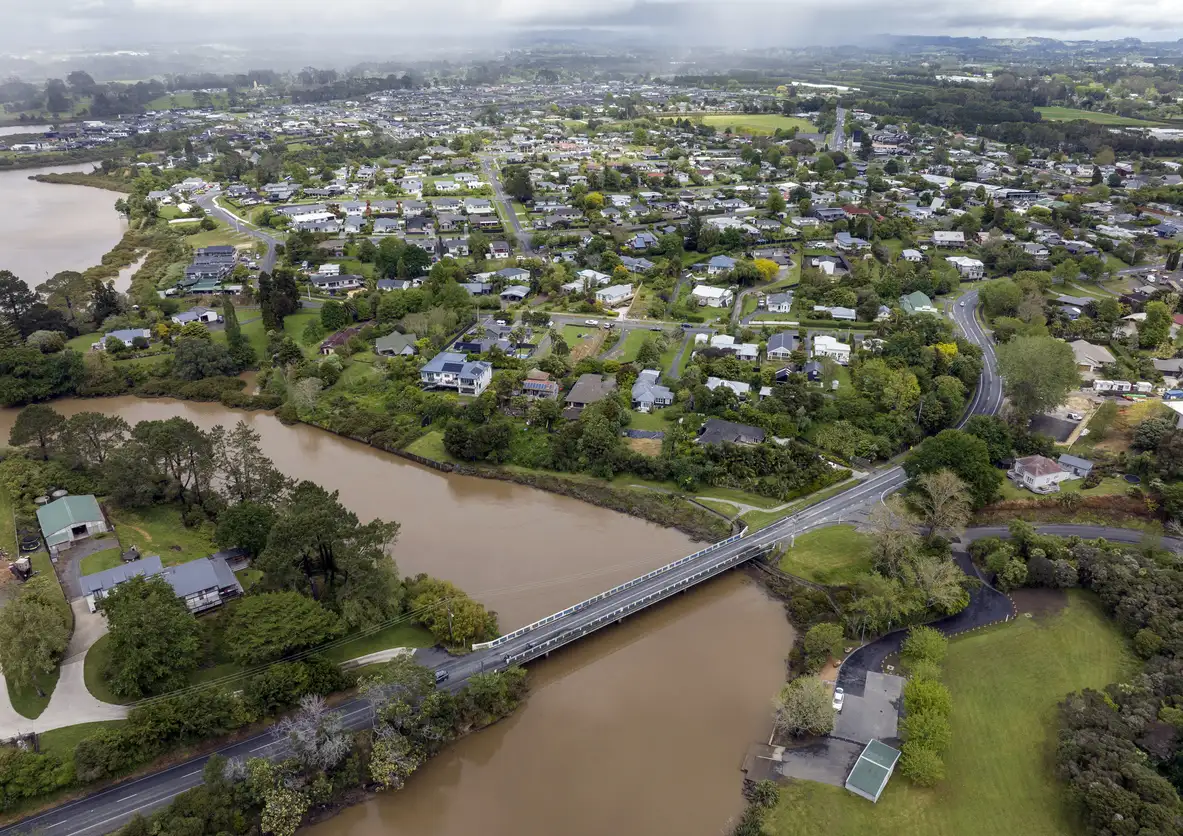
Westpac’s announcement that risks such as flooding and slips could affect how much it will lend on homes reinforces the urgent need for a national plan to give communities certainty as they are impacted by a changing climate, Local Government New Zealand (LGNZ) says.
LGNZ President Rehette Stoltz says the announcement shows why the incoming Government must prioritise an enduring climate resilience framework, with clear responsibilities and fair, long-term funding arrangements.
“For families, these risks are about their home, their financial security and whether they can continue living in the community they love.
“Better information about natural hazards helps people make informed decisions, and we are pleased to see Westpac’s move to improve households’ awareness about risk. But identifying and pricing risk is not the same as reducing it.
"Banks and insurers cannot build flood protection, adapt infrastructure, or make the difficult decisions needed to keep communities safe. Communities need to know what can be done, who will act, and how the costs will be shared.”
“If our main response is simply to price greater risk into insurance and lending decisions, the underlying hazard remains and the burden shifts onto households and communities,” Stoltz says.
“When homes become harder to insure, finance or sell, the consequences spread across entire communities. They can undermine household wealth, constrain local investment and growth, and increase the cost of responding to disasters. Ultimately, those costs are felt across the wider economy.
“We cannot leave households to navigate these changes alone or expect councils and ratepayers to carry the full cost. As the private sector responds to increasing climate and natural hazard risks, government must also come to the table with a much stronger focus on reducing risk before disasters occur, rather than relying predominantly on recovery afterwards.”
LGNZ is calling for a national climate resilience framework developed in partnership with councils, communities, and interested groups such as banks and insurers. Setting out the responsibilities of central and local government, the private sector and communities, and answering the key question of who pays for what before events strike is essential to support good choices.
“Flood protection is essential and sustained investment can make a real difference. But we cannot assume that building more infrastructure will make every place safe in the long term.
“We need to consider the full range of options for each community, including how we adapt buildings and infrastructure, where we allow development, and supporting people to move out of harm’s way where necessary.
“These are difficult conversations. They become much harder when there is no clear agreement about who makes decisions, who pays and what support people can expect.
Alongside Te Uru Kahika, LGNZ continues to seek an enduring central–local co-funding arrangement for the Before the Deluge flood-protection pipeline, as part of this wider approach to resilience.
“Investing before disaster strikes protects lives, livelihoods and regional economies. Those benefits reach well beyond council boundaries, and funding needs to reflect that.
“The incoming Government has an opportunity to give communities the certainty. We need a framework that lasts beyond an election cycle and supports action now, before the choices become more difficult and more expensive.”