Urgent action needed to improve resilience in wake of storms - LGNZ
22 April 2026
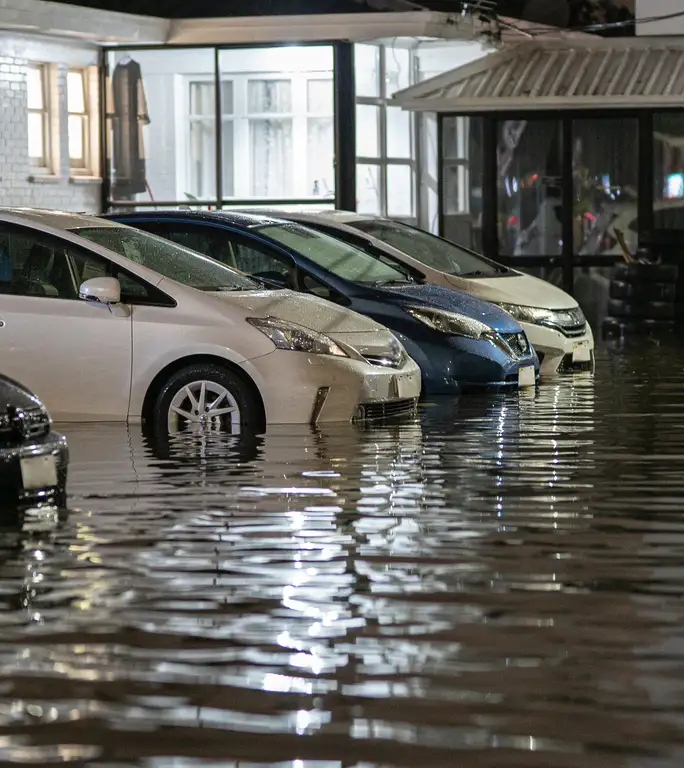
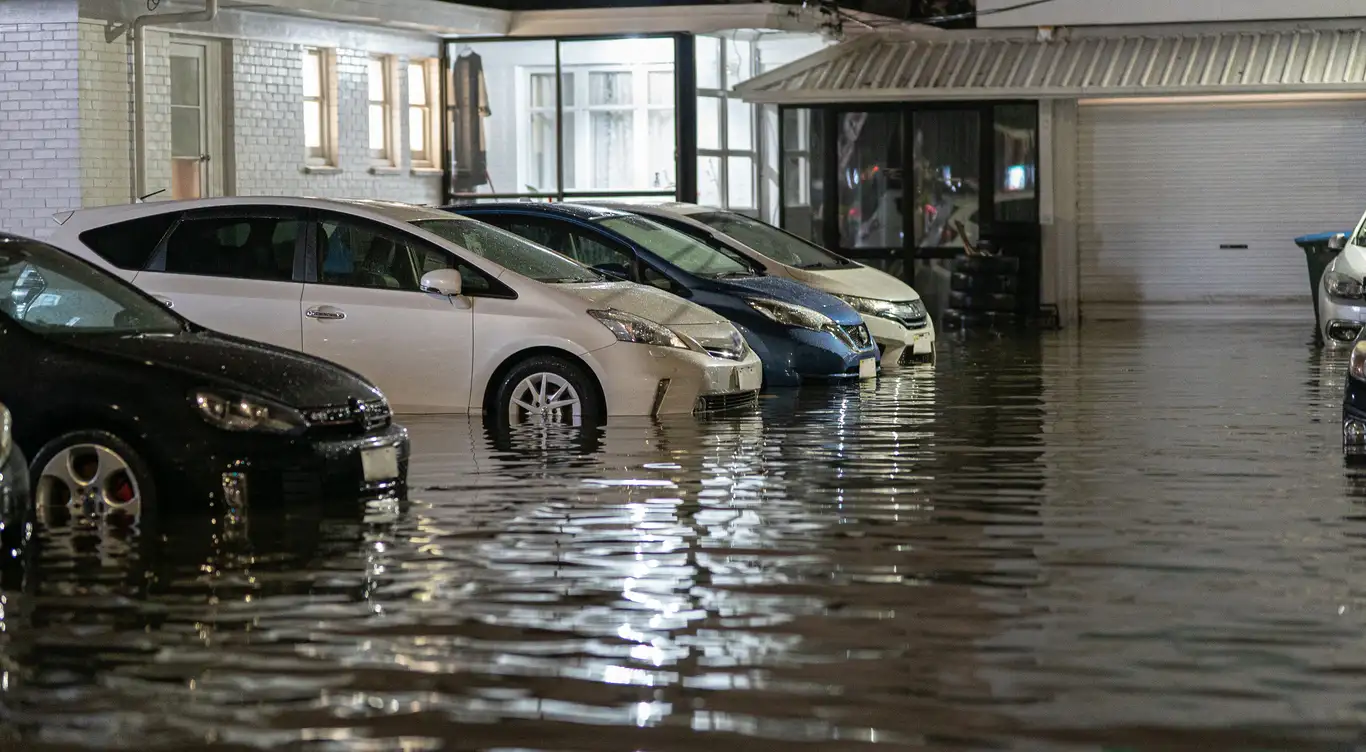
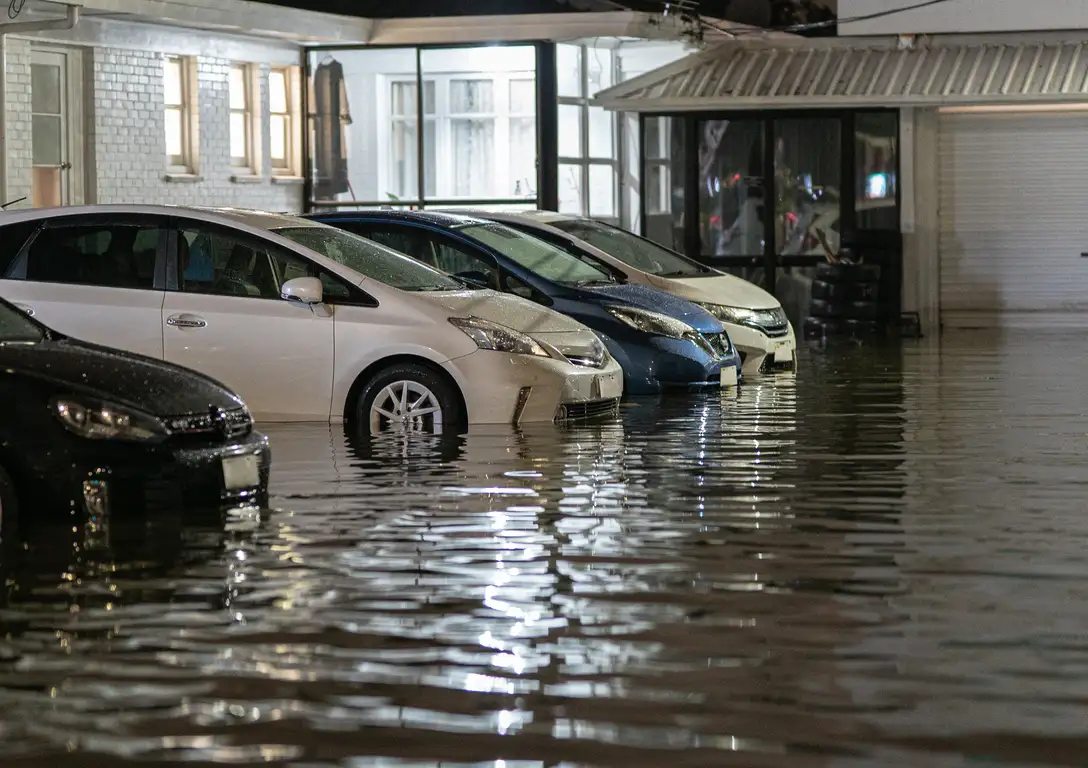
With New Zealand again battered by rain and wind this week, we need to put plans for adaptation into action, LGNZ urges.
“Severe storms, floods, landslides, and coastal hazards are increasingly frequent and damaging, with a reported 46 storms in the past 12 months alone. It’s time we saw real progress on the ground to respond to climate risks,” LGNZ President Rehette Stoltz says. “Policies and frameworks on climate adaptation are taking years to progress but we need to start acting now.”
“Clear, durable co‑funding arrangements between central and local government are critical. Adaptation planning and flood resilience must be implemented in a way that doesn’t put unsustainable pressure on ratepayers and supports economic growth in the regions.
“We need stronger national direction, supported by local coordination with communities, businesses and iwi, to build New Zealand’s resilience.”
“Councils are ready and willing to have the tough conversations with communities. Central government needs to provide clear division of roles and funding for necessary action to happen.”
“Already some areas, such as South Dunedin and Far North District Council, have made progress on adaptation planning and consultation with residents. But in some cases, the legal risk is too high for councils to proactively implement solutions without a clear Government mandate.”
Recent research from Earth Sciences New Zealand demonstrates that more than 750,000 New Zealanders live in flood prone areas. This means $235 billion worth of residential buildings are at risk.
“Every dollar spent on disaster preparedness saves at least $4 in response and recovery,” Stoltz says.
“Doing nothing not only puts undue pressure on public finances in the long run but comes with significant risk to New Zealanders.”
“In an election year, we need to see an emphasis on central and local government collaboration to boost investment in climate-resilient infrastructure. We must ensure our economy and communities are supported through climate shocks.”