More frequent states of emergencies a concern for councils
12 January 2026
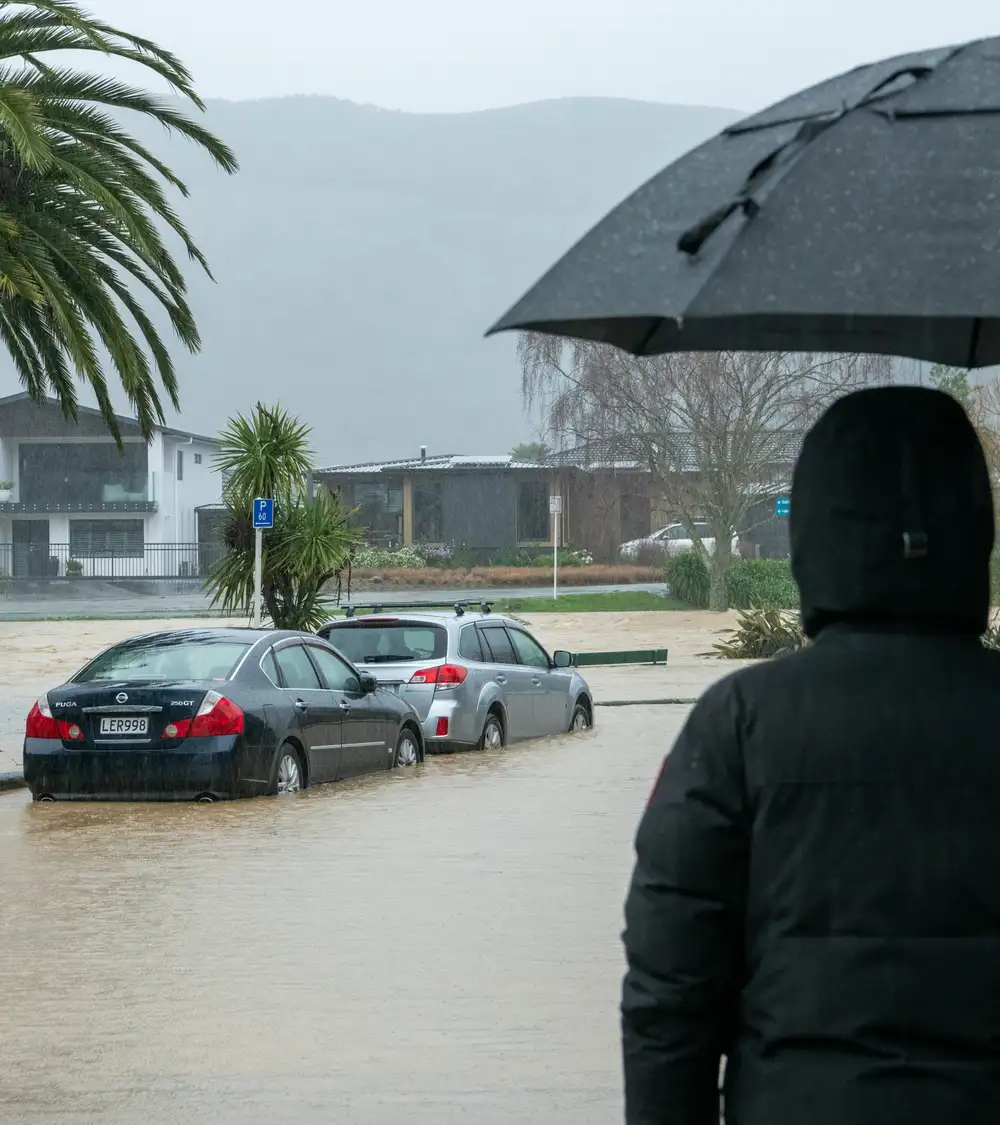
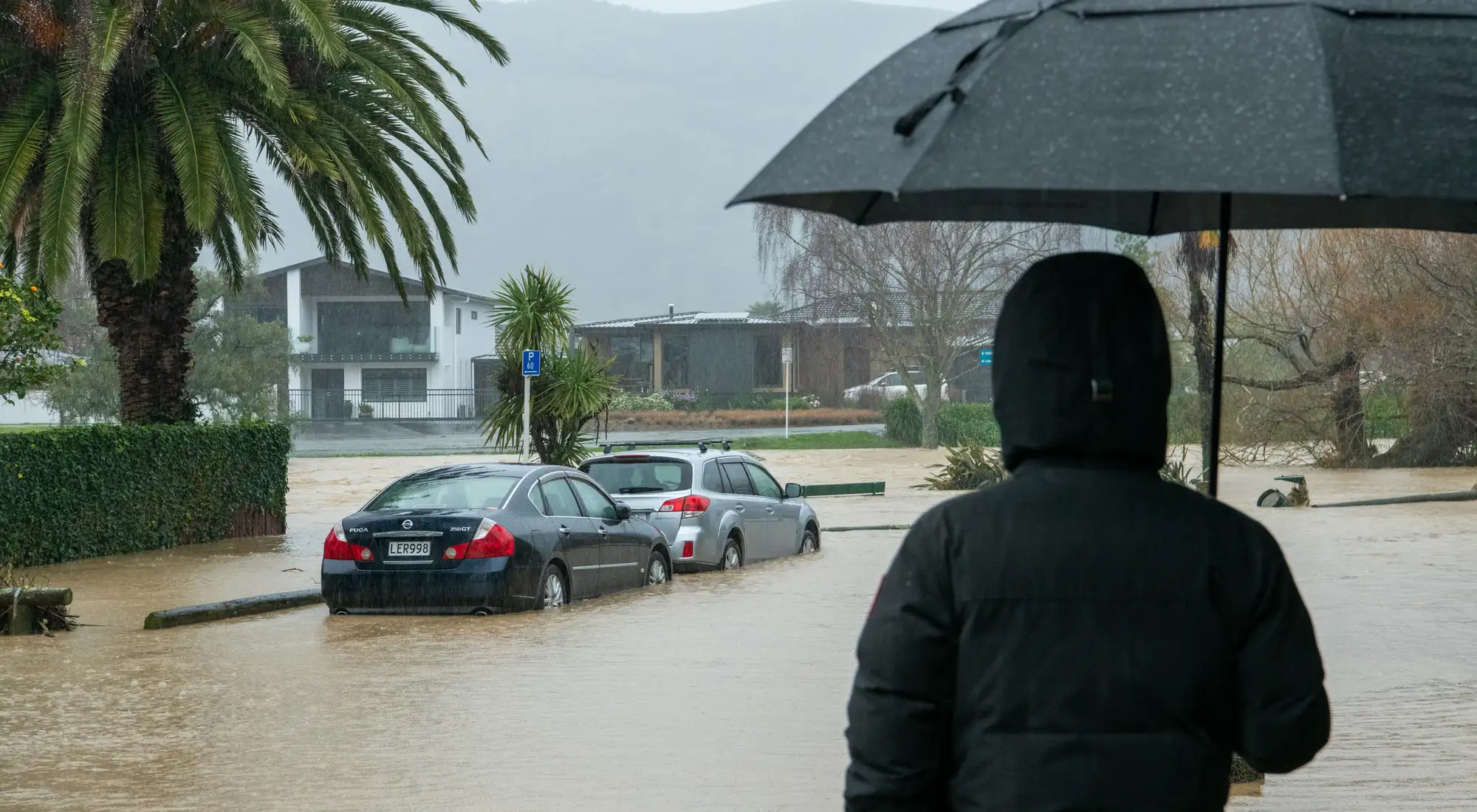
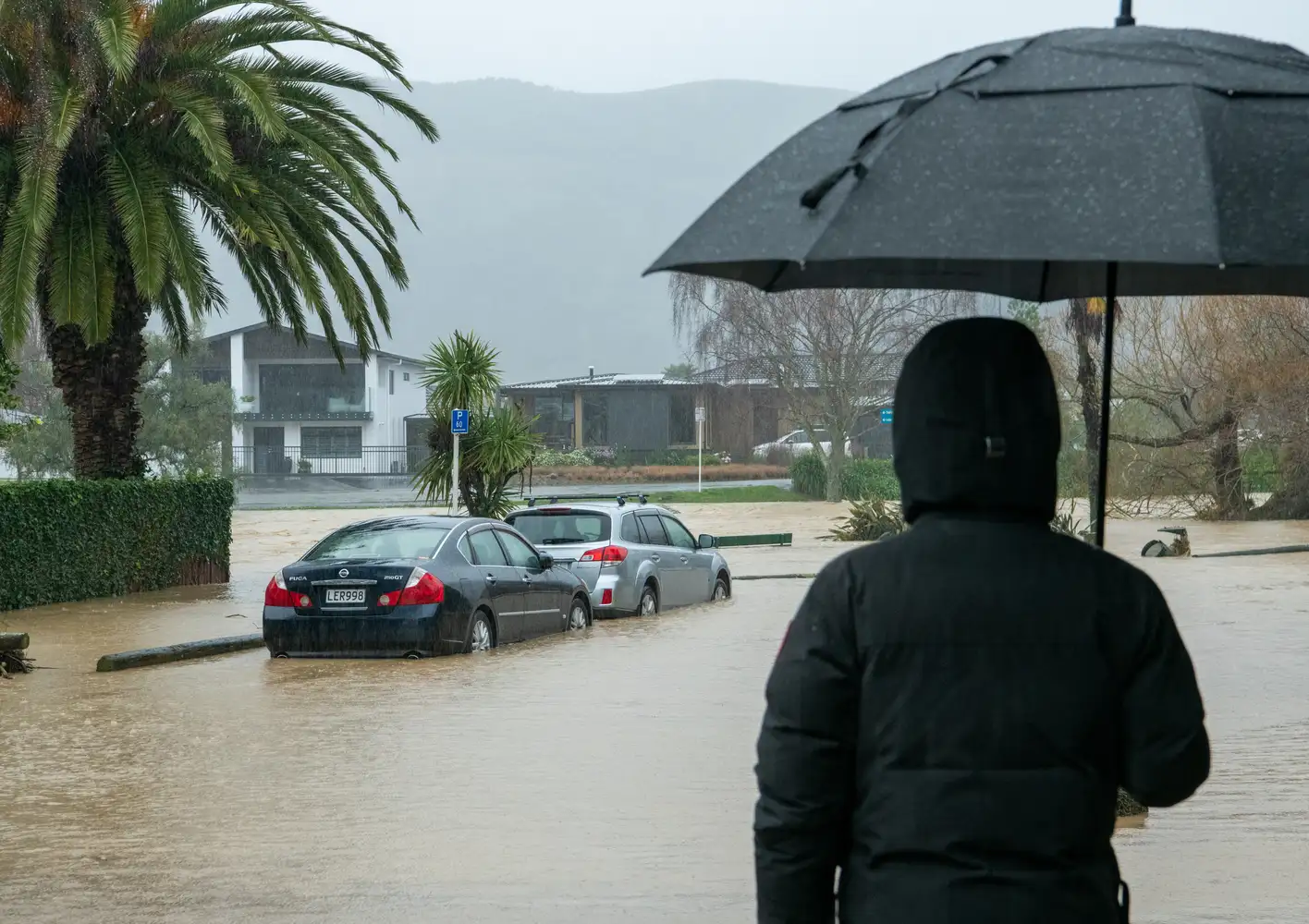
Data analysis from Infometrics has shown that storm and flooding-related emergencies are happening more frequently in New Zealand now than 10 years ago.
Last year New Zealand experienced 72 days where different regions have been under a declared State of Emergency. This is the third-most days New Zealand has been under a State of Emergency in the past 25 years; behind only 2011 (88 days, including 67 days due to the Christchurch earthquake) and a record 91 days in 2023 — which was dominated by the response to Cyclone Gabrielle.
Over the past ten years New Zealand has averaged 55.9 days annually under a State of Emergency each year, and 66.6 days over the last five. In the 10 years prior to this, New Zealand averaged only 13.4 days per year.
In 2023, LGNZ President and Gisborne Mayor Rehette Stoltz saw the Gisborne region declare a State of Emergency for 28 days due to flooding and severe weather. She says local government plays a central role in civil defence and emergency management.
“In times of disaster, it's local councils that step in to lead the response and recovery efforts in their regions and communities; working alongside Civil Defence, Fire, Police and other agencies. Councils also help communities prepare for, and recover from emergencies and disasters,” says Rehette Stoltz.
“The Infometrics numbers show that previously infrequent weather events are becoming more frequent and more intense due to climate change, and that those impacts will continue to worsen in the future. In particular, the data shows that over the past five years, 80% of these emergencies were for severe weather or flooding.
“Decision-makers, including councils, should now be incorporating a more regular expectation of responding to an emergency annually.”
Rehette Stoltz says that weather emergencies can have a massive impact on a regions’ infrastructure and economy.
“The Government’s introduction of a new Emergency Management Bill last December aims to strengthen New Zealand’s emergency management system, enabling the improvements identified by the Government Inquiry into the Response to the North Island Severe Weather Events of early 2023. We welcome this new legislation which will provide more clarity about roles and responsibilities at the national, regional, and local levels, to ensure faster decisions are made by the right people.
“However, we’re concerned about the impacts new minimum standards could have for some communities without greater funding support from central government, and LGNZ will be making a submission on this to government shortly.
“Alongside this, the Government’s introduction of a rates band could limit council’s ability to ‘bounce back’ from a future major weather event like Gisborne faced with Cyclone Gabrielle. The community's expectation is we deliver the critical infrastructure and services they rely on in a timely way following a disaster. We know the Government has signalled a rates band variation process for councils affected by natural disasters - we need to ensure there’s a common-sense, fast-track process behind this.”